

Our story
In 2014 I went through
severe burnout.
I am Don Easton, and I founded Verve Lead. What follows is what burnout looked like for me, what I did to find my way back, and the 4 gauges I still keep.
“How full is your emotional tank?”
One of the 5 questions we ask in mentoring.
What burnout looked like for me
I have been in ministry for 45 years – church planting, and ordained ministry in traditional and Pentecostal churches. I served 31 years as a senior minister and 10 years on a national executive. None of it kept me from burning out.
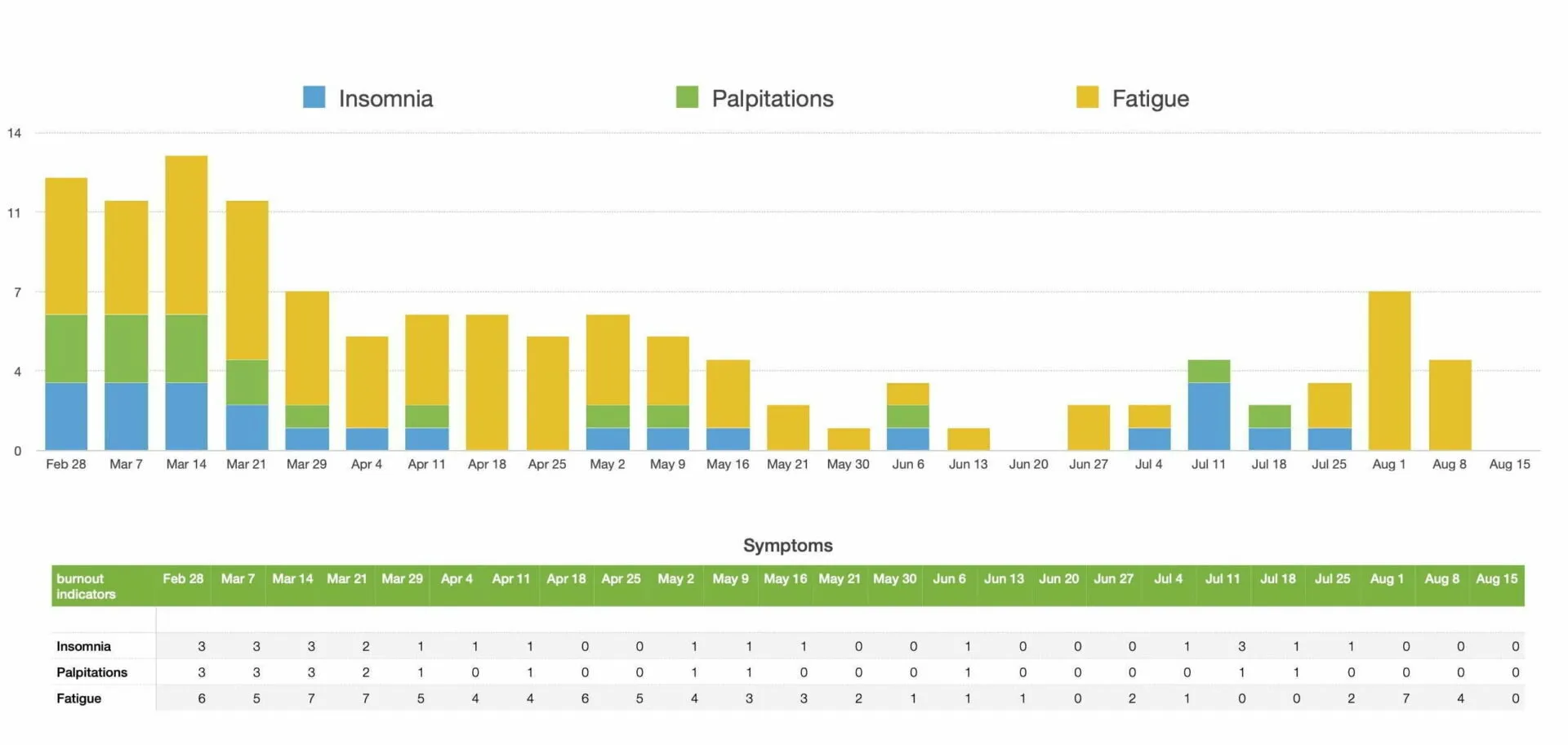
Three things were constant companions in the valley of burnout: insomnia, heart palpitations and fatigue. They are the three I still chart today.
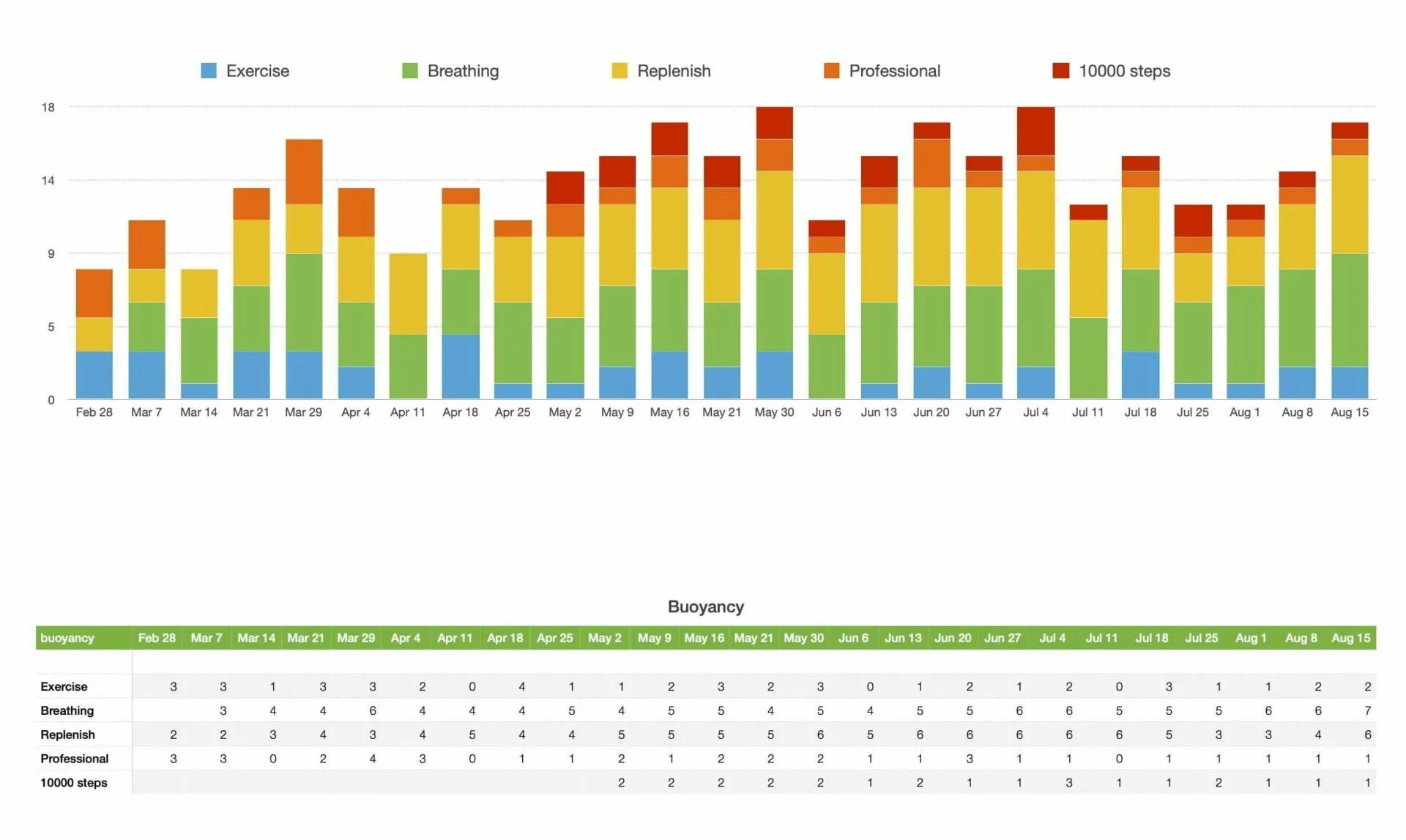
As I began to rest and the fogginess lifted, I realised that the things my GP, my psychologist and my mentor had me doing were accelerating my well-being. Those things became a gauge of their own.
If any of that sounds familiar to you, the rest of this page is what I did about it.

In the journey to health from burnout,
I developed 4 gauges.
They help me grow in self-reflection, which builds self-awareness, and – this is the part that matters most – they let me self-moderate. They have been integral to my sustained health.
What do your gauges show?
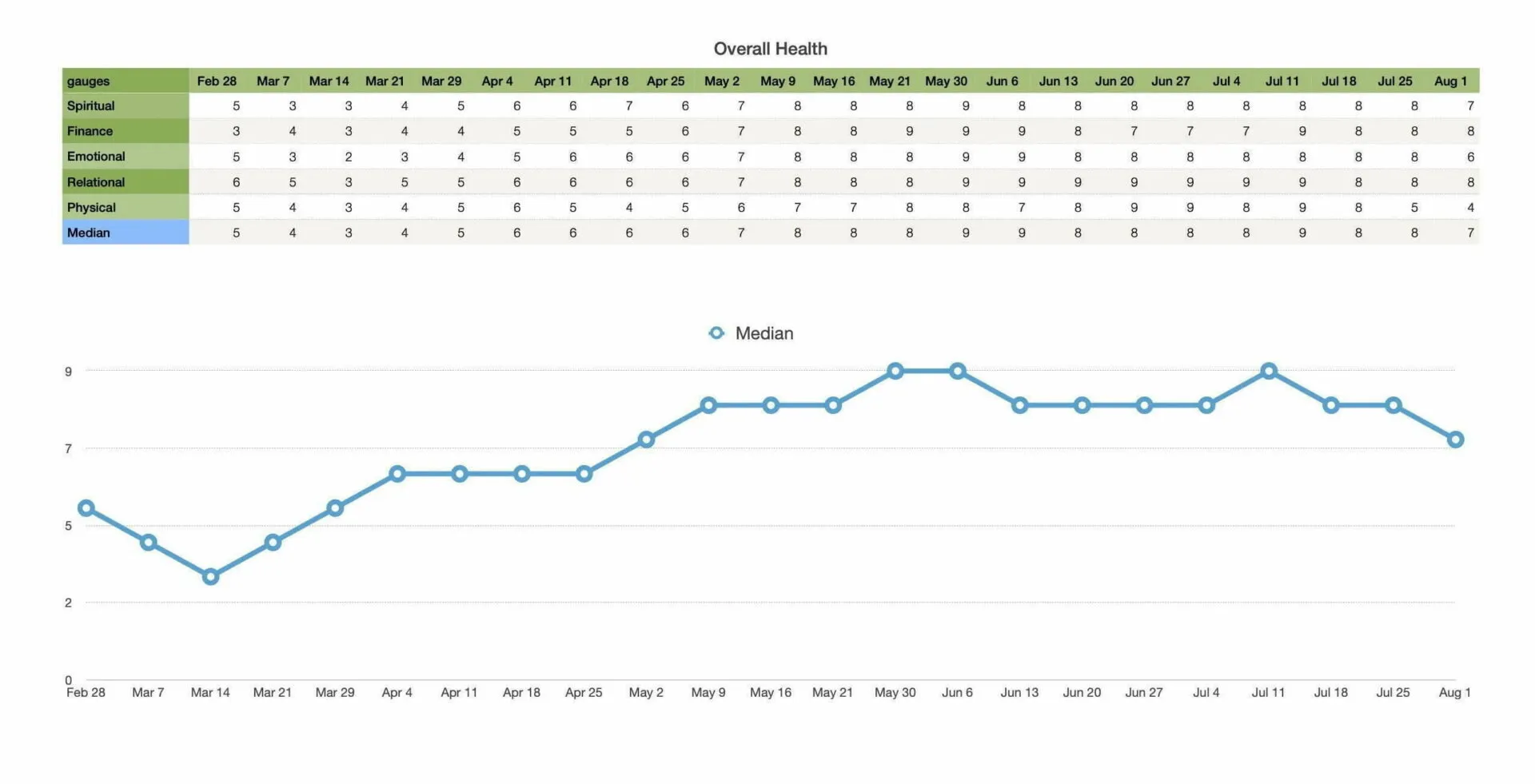
I chart mine each week. Every gauge is a plain number, and together they show a trend I would otherwise miss.
Gauge 1
Overall health
Gauge 2
Burnout symptoms
Gauge 3
Buoyancy
Gauge 4
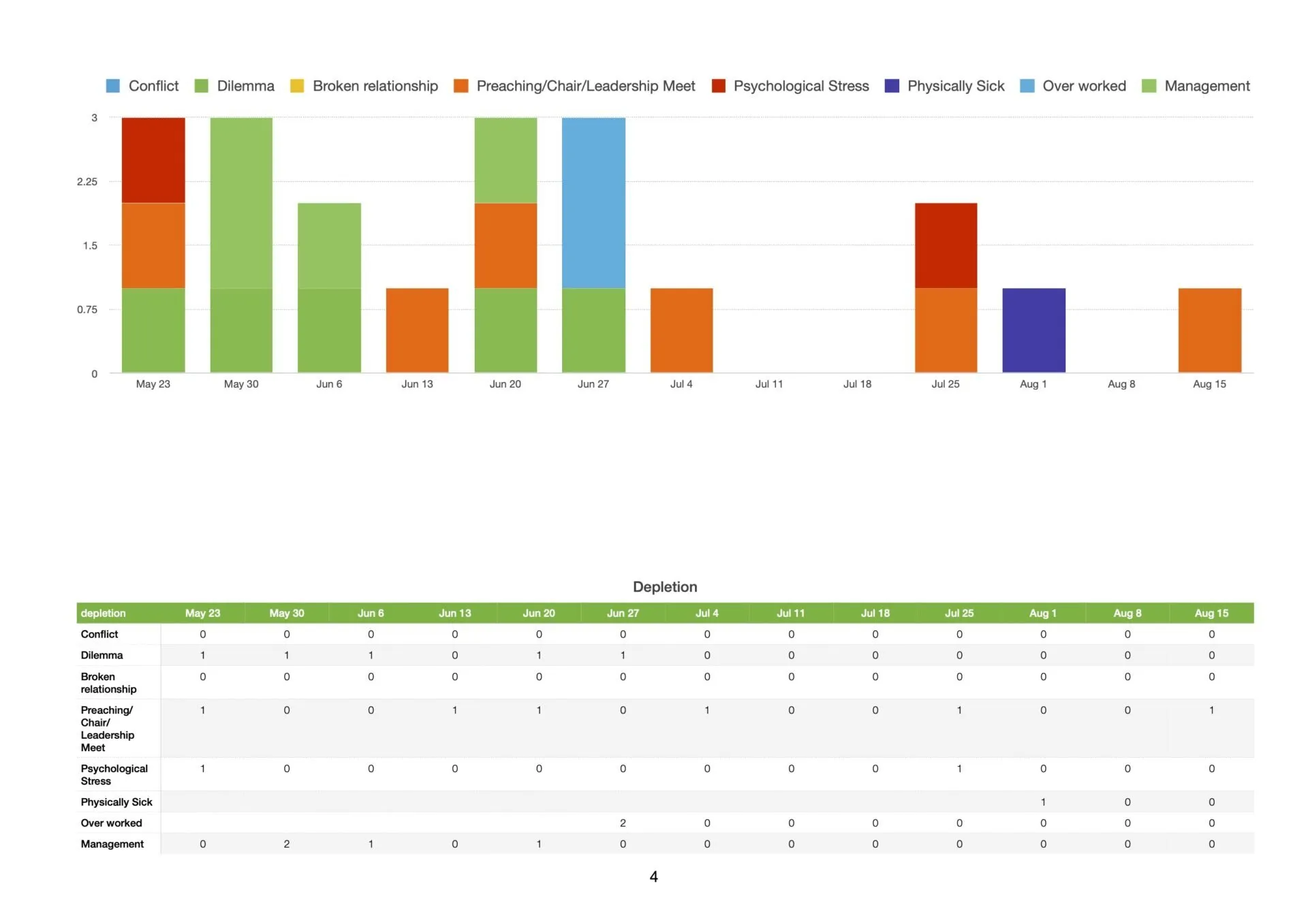
Depletion
These are my own charts, week by week, from the log I still keep.
On the depletion list
It has taken some time to form this list. You will note that I include things I love doing: preaching, running worship services and developing leaders. These were added because they also significantly deplete me.
How do I know when to act?
Twice, these gauges have rescued me from slipping back into burnout. They do it by showing the link between depleters and buoyancy – the one pulls my well-being down, the other lifts it.
The cumulative effect of depleters is seen in an increase of sleepless nights, followed by fatigue and heart palpitations. This is my red zone that shouts, “Danger! Take action now!” That action is to reduce the depleters where I can, and so increase my buoyancy.
I cannot always remove what depletes me. Some of it is the work itself. But I can see it coming, and seeing it coming is what changed things for me.
The pattern I watch for
Why this became Verve Lead
Mine is a common story. Research shows that 33 per cent of pastors report high to severe levels of burnout. There is more of that research on the evidence page.
Since 2014 I have conducted qualitative research to quantify ideal Christian Leader Health and to develop pathways to well-being. I founded Verve Lead to develop and multiply quality well-being mentors. Being mentored is the best way to learn to mentor, so that is where every mentor here has started.
I am still mentored myself. Keith Farmer has been my mentor and coach in mentoring since 2015.
My passion is to lift the buoyancy and resilience of Christian leaders, so that our communities are healthier, more sustainable and safer places to be.
Meet the teamWhat Verve Lead does now
I have written about it too. My books, Burnout and Beyond and Creating a Vision for Health, are available on Amazon.

Would you like to see where you stand?
The gauges are mine. The assessment is the one we built for you – one sitting, at your own pace, and the results are yours to keep or to share.